Termite Inspection
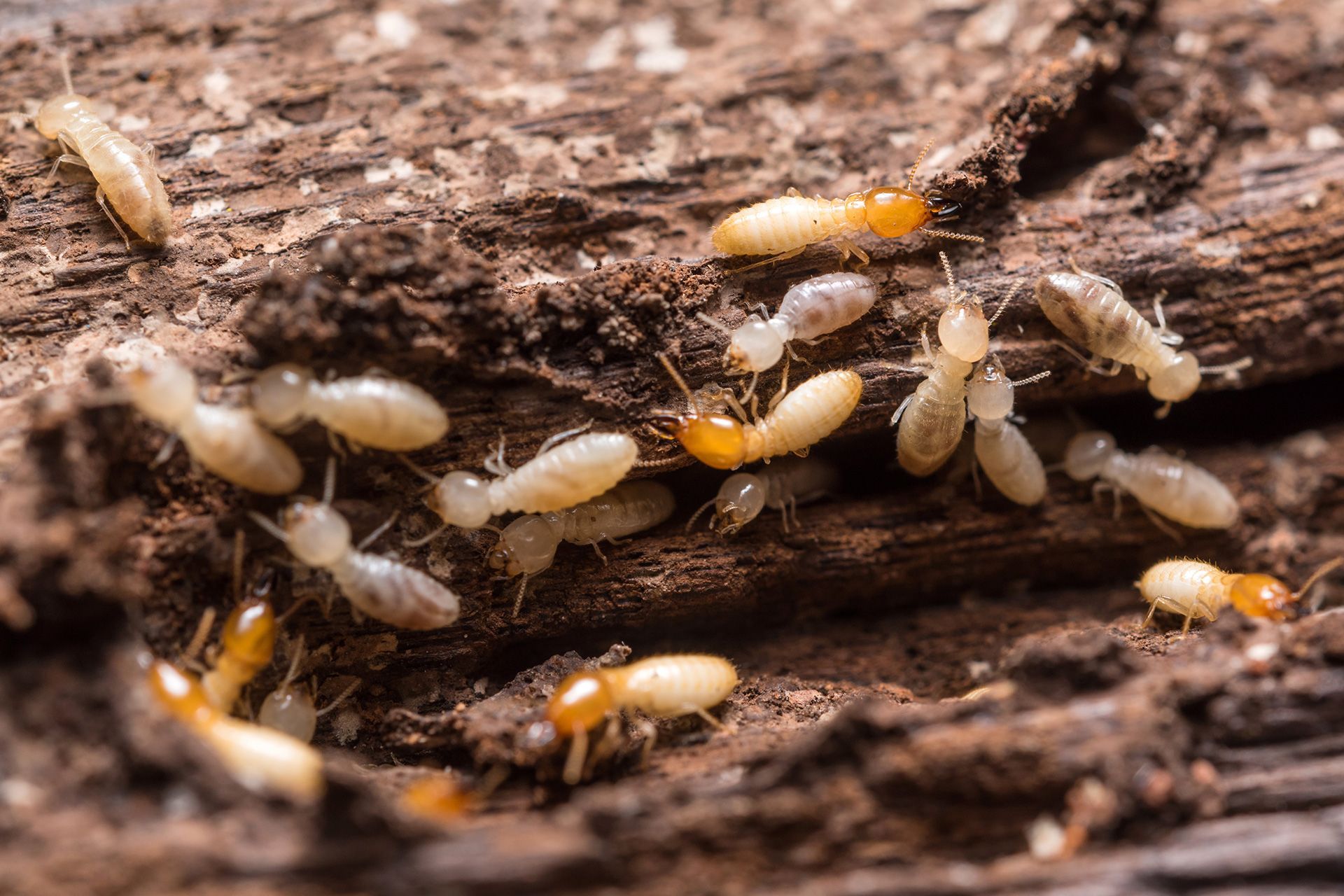
Termites are one of the most destructive pests a home can face. Often called “silent destroyers,” these insects can cause serious structural damage long before homeowners realize there is a problem. Because termite activity frequently occurs inside walls, crawlspaces, and wooden structures, damage can develop for months or even years without obvious signs.
At Marble Inspections, our Termite Inspection service is designed to identify evidence of termite activity, past infestations, and conditions that could make a property vulnerable to wood-destroying insects. Whether you are purchasing a home, selling a property, or simply want peace of mind, a professional termite inspection helps protect one of your most valuable investments.
Our inspections are thorough, detailed, and focused on providing clear information so you can make informed decisions about your property.
Why Termite Inspections Are Important
Termites cause billions of dollars in property damage every year in the United States. Unlike other types of damage that may occur suddenly, termite damage often develops slowly and quietly. By the time visible signs appear, the infestation may already be extensive.
A professional termite inspection helps identify problems early, allowing homeowners and buyers to address issues before they become expensive structural repairs.
Key reasons to schedule a termite inspection include:
- Protecting the structural integrity of your home
- Identifying active termite infestations
- Detecting previous termite damage
- Preventing costly repairs in the future
- Meeting requirements for certain real estate transactions
- Providing peace of mind for homeowners and buyers
For homebuyers, a termite inspection is especially important because infestations may not be obvious during a general home inspection.
When Should You Schedule a Termite Inspection?
There are several situations where a termite inspection is highly recommended.
Buying a Home
When purchasing a property, a termite inspection can reveal hidden problems that may affect the value and safety of the home. Identifying termite activity before closing gives buyers the opportunity to negotiate repairs or treatment.
Selling a Home
Home sellers may choose to schedule a termite inspection before listing their property. Addressing issues early can prevent delays during the closing process and provide reassurance to potential buyers.
Routine Home Maintenance
Even if you are not buying or selling a home, routine termite inspections are a smart part of long-term home maintenance. Regular inspections help identify early warning signs before damage becomes significant.
Signs of Possible Termite Activity
If you notice any of the following signs, it may be time to schedule a termite inspection:
- Mud tubes along foundations or walls
- Hollow-sounding wood
- Cracked or bubbling paint
- Small piles of discarded wings near windows or doors
- Wood that appears damaged or weakened
- Doors or windows that suddenly become difficult to open
While these signs can indicate termite activity, infestations often exist without obvious symptoms. That’s why professional inspections are so important.
What Our Termite Inspection Includes
At Marble Inspections, our termite inspections focus on identifying both active infestations and conditions that could allow termites to thrive. Our inspectors conduct a careful visual examination of accessible areas of the home where termites are most likely to be found.
Areas typically evaluated during a termite inspection include:
- Crawlspaces and foundations
- Exterior siding and wooden structures
- Basement areas
- Attics where wood framing is visible
- Decks, porches, and wooden attachments
- Window frames and door frames
- Structural wood components
- Areas with potential moisture buildup
During the inspection, we look for evidence such as mud tubes, damaged wood, insect activity, and environmental conditions that could attract termites.
Because termites thrive in moist environments and hidden spaces, special attention is given to areas where moisture and wood meet.
Types of Termites That Affect Homes
Different regions may experience different types of termites, but the most common species affecting residential properties include subterranean termites and drywood termites.
Subterranean Termites
Subterranean termites are the most common and destructive species in many areas. They live underground and build mud tubes to travel between their colony and food sources.
These termites can cause significant structural damage because they feed on wood continuously and often remain hidden behind walls or beneath flooring.
Drywood Termites
Drywood termites live directly inside the wood they consume. Unlike subterranean termites, they do not require contact with soil. They are commonly found in attic framing, furniture, or exposed wood structures.
While they may spread more slowly, drywood termites can still cause serious damage over time if left untreated.
Identifying the type of termite present can help determine the most effective treatment and prevention methods.
Conditions That Attract Termites
Termites are attracted to environments that provide moisture, shelter, and access to wood. Certain conditions around a home can increase the risk of infestation.
Common risk factors include:
- Wood-to-soil contact around the foundation
- Excess moisture in crawlspaces or basements
- Poor drainage near the home
- Leaking plumbing or roof issues
- Firewood stored close to the house
- Mulch or landscaping that traps moisture against exterior walls
During the inspection, we not only look for termite activity but also identify conditions that may increase the likelihood of infestation in the future.
Addressing these conditions early can help prevent termites from becoming a problem.
What Happens After the Inspection
Once the termite inspection is complete, you will receive a clear and detailed report outlining the findings.
The report may include:
- Evidence of active termite activity
- Signs of previous infestations
- Areas of wood damage
- Environmental conditions that may attract termites
- Recommendations for further evaluation or treatment if necessary
Our goal is to provide straightforward information so you can understand the condition of the property and determine the next steps if needed.
If termite activity is discovered, we may recommend consulting a licensed pest control professional who can provide treatment options.
Termite Inspections for Real Estate Transactions
Termite inspections are often requested during real estate transactions, especially in regions where termite activity is common.
For buyers, this inspection helps confirm that the property does not have hidden structural damage caused by wood-destroying insects. For sellers, having a termite inspection completed in advance can help prevent surprises during negotiations.
Many lenders and real estate professionals also recommend termite inspections as part of the due diligence process.
By identifying potential issues early, both buyers and sellers can move forward with greater confidence.
Why Choose Marble Inspections for Termite Inspections
At Marble Inspections, we understand how important it is to identify potential problems before they become major issues. Our termite inspections are performed with the same attention to detail and professionalism that we bring to every service we provide.
Clients choose Marble Inspections because we offer:
- Thorough and careful inspections
- Clear and easy-to-understand reports
- Honest, unbiased findings
- Friendly and professional service
- Flexible scheduling options
We take pride in helping homeowners and buyers protect their properties and make informed decisions.
Frequently Asked Questions
How long does a termite inspection take?
Most termite inspections take 30 to 60 minutes, depending on the size of the property and accessibility of areas such as crawlspaces and attics.
Is a termite inspection included in a home inspection?
A standard home inspection may identify visible signs of termite damage, but a dedicated termite inspection focuses specifically on wood-destroying insects and related conditions.
Can termites be present without visible damage?
Yes. Termites often remain hidden inside walls, floors, or structural wood. This is why professional inspections are essential for detecting infestations early.
What happens if termites are found?
If evidence of termite activity is discovered, we will document the findings in the inspection report. In most cases, treatment from a licensed pest control professional will be recommended.
How often should termite inspections be performed?
Many experts recommend scheduling a termite inspection once a year as part of regular home maintenance, especially in areas where termites are common.
Schedule Your Termite Inspection
If you are buying a home, selling a property, or simply want to protect your investment, a professional termite inspection is an important step in safeguarding your home.
At Marble Inspections, we are committed to providing detailed evaluations and honest guidance so you can feel confident about your property.
Contact us today to schedule your termite inspection and ensure your home remains safe, secure, and structurally sound.