Sewer Scope Inspection
A home’s plumbing system does much more than what you see inside the house. Beneath the ground, the main sewer line carries wastewater from the home to the municipal sewer system or septic system. When this underground pipe develops a problem, it can lead to serious and expensive repairs.
At Marble Inspections, our Sewer Scope Inspection service helps identify hidden issues inside the main sewer line before they turn into major problems. Using specialized camera equipment, we inspect the inside of the sewer pipe to evaluate its condition and detect blockages, damage, or deterioration.
For homebuyers especially, a sewer scope inspection can be one of the most valuable add-on services during the inspection process. Sewer line repairs can cost thousands of dollars, so discovering potential problems before closing can save homeowners significant time, money, and stress.
What Is a Sewer Scope Inspection?
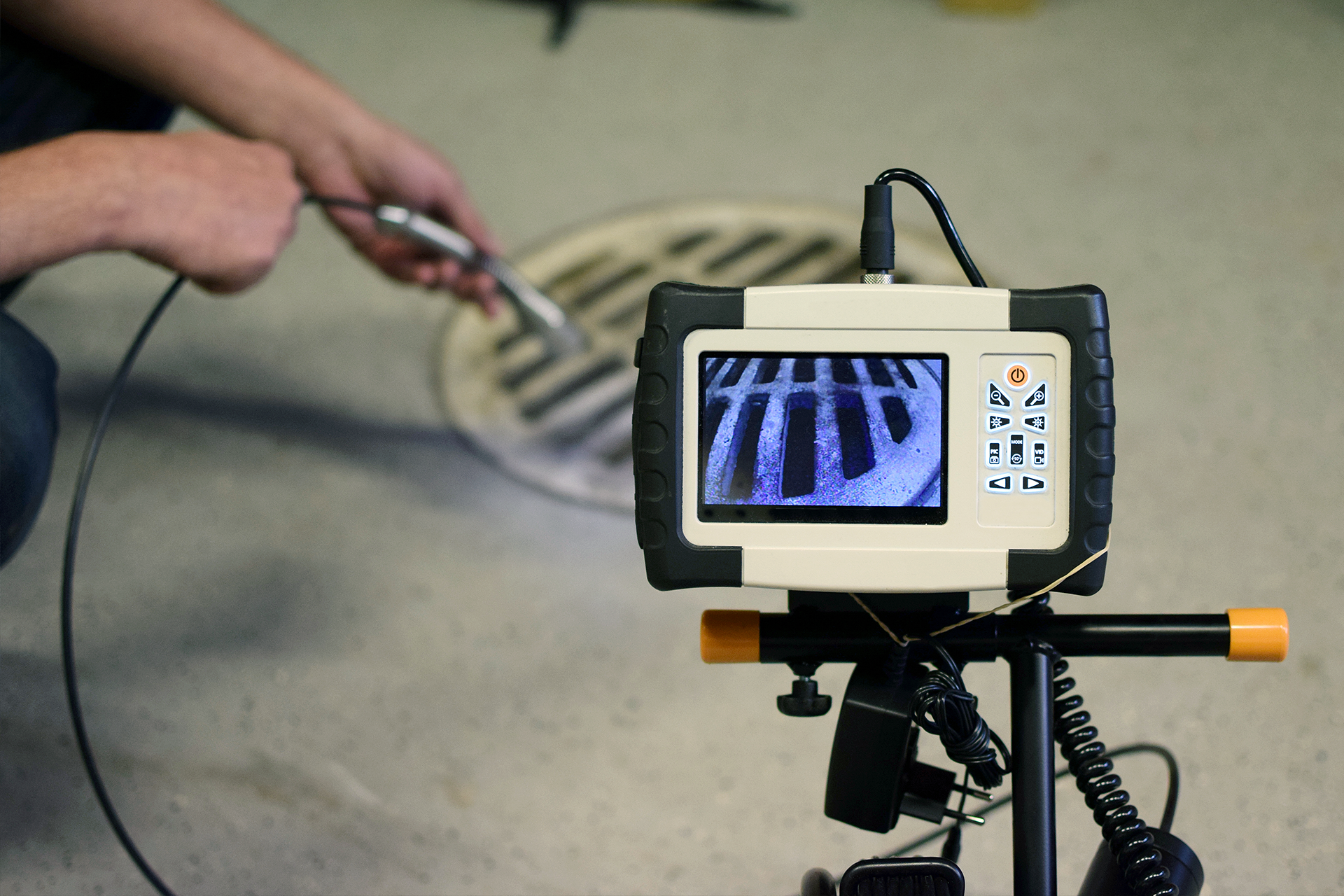
A Sewer Scope Inspection is a detailed examination of the home’s main sewer line using a small, high-resolution waterproof camera. The camera is inserted into the sewer line through an accessible cleanout or drain and carefully guided through the pipe.
As the camera moves through the line, it sends real-time video footage to the inspector, allowing them to examine the interior condition of the pipe.
This inspection allows us to identify problems such as:
- Tree root intrusion
- Pipe cracks or fractures
- Pipe misalignment or separation
- Blockages or debris buildup
- Deteriorating or collapsed pipes
- Grease or sludge buildup
- Improper pipe slope or installation
Because sewer lines are buried underground, these issues often go unnoticed until serious damage occurs. A sewer scope inspection helps identify these problems early.
Why Sewer Line Inspections Are Important
Many homebuyers assume that if water drains properly during a home inspection, the sewer system must be in good condition. However, drainage alone does not guarantee the sewer line is functioning properly.
In many cases, sewer problems develop slowly over time. Roots can grow into pipes, pipes can shift or crack due to soil movement, and older materials can deteriorate after decades of use.
Without a sewer scope inspection, these issues may not be discovered until after the home is purchased.
A sewer scope inspection can help:
- Detect hidden sewer line damage
- Prevent unexpected plumbing emergencies
- Avoid costly sewer repairs or replacements
- Provide leverage during home purchase negotiations
- Ensure the plumbing system is operating properly
For homes with older sewer systems or properties with large trees nearby, this inspection becomes even more valuable.
Common Sewer Line Problems We Find
During a sewer scope inspection, we often identify issues that homeowners were not aware of. Some of the most common problems include the following.
Tree Root Intrusion
Tree roots are one of the most frequent causes of sewer line damage. Roots naturally grow toward moisture and can enter small cracks or joints in sewer pipes.
Once inside the pipe, the roots grow and expand, eventually creating blockages or even breaking the pipe apart.
Signs of root intrusion include:
- Slow drains
- Recurring plumbing clogs
- Gurgling sounds in pipes
- Sewage backups
A sewer scope inspection can clearly reveal root growth inside the line so that it can be addressed before it worsens.
Cracked or Broken Pipes
Sewer pipes can crack due to shifting soil, age, corrosion, or heavy loads above ground. Even small cracks can allow wastewater to leak into the surrounding soil or allow roots to enter the pipe.
If left untreated, cracks can expand and eventually cause the pipe to collapse.
Pipe Misalignment or Separation
Over time, sections of sewer pipe may shift or separate at their joints. This can occur due to soil movement, improper installation, or foundation settling.
When pipes become misaligned, wastewater flow can be disrupted, increasing the risk of blockages and leaks.
Blockages and Debris
Grease, paper products, debris, or foreign objects can accumulate inside sewer pipes over time. These buildups can reduce the diameter of the pipe and slow the flow of wastewater.
Severe blockages may lead to sewage backups into the home, which can cause significant damage and health hazards.
Aging or Deteriorating Pipes
Older homes may have sewer lines made from materials such as clay, cast iron, or Orangeburg pipe. These materials can deteriorate over time, making them more prone to cracks, collapse, or root intrusion.
A sewer scope inspection can reveal the condition of these older pipes and determine whether repairs or replacement may be needed in the future.
When Should You Get a Sewer Scope Inspection?
While sewer scope inspections are valuable for any property, they are particularly recommended in several situations.
When Buying a Home
For homebuyers, a sewer scope inspection can uncover costly problems before closing. Sewer repairs can range from minor cleaning to complete pipe replacement, which may cost thousands of dollars.
Discovering these issues early allows buyers to negotiate repairs or adjust their purchase decisions accordingly.
For Older Homes
Homes built decades ago often have aging sewer systems that may be nearing the end of their lifespan. A sewer scope inspection helps determine whether the system is still in good condition.
If Large Trees Are Near the Property
Tree roots are one of the biggest threats to underground sewer pipes. Homes with mature trees near the sewer line are more susceptible to root intrusion.
If You Experience Recurring Drain Problems
Frequent drain clogs or slow drainage throughout the house may indicate a problem deeper within the sewer system. A sewer scope inspection helps locate the source of the issue.
How the Sewer Scope Inspection Process Works
At Marble Inspections, we follow a systematic process to ensure every sewer scope inspection is accurate and thorough.
1. Locate an Access Point
The inspection begins by locating a cleanout or access point to the sewer line.
2. Insert the Inspection Camera
A specialized waterproof camera attached to a flexible cable is inserted into the pipe.
3. Inspect the Sewer Line
The camera travels through the sewer line while transmitting live video to the inspector. The inspector carefully evaluates the condition of the pipe along the entire visible section.
4. Identify Issues
Any damage, blockages, or abnormalities are documented during the inspection.
5. Provide Clear Findings
After the inspection, we explain the findings and provide guidance on potential next steps if issues are discovered.
Our goal is to ensure you fully understand the condition of the sewer system and what it may mean for the property.
Benefits of a Sewer Scope Inspection
A sewer scope inspection provides several important benefits for homeowners and buyers.
Financial Protection
Sewer line repairs can be extremely expensive. Identifying issues early helps prevent unexpected costs.
Better Decision-Making
Buyers gain a more complete understanding of the property’s plumbing system before purchasing.
Peace of Mind
Knowing the sewer line is in good condition can provide confidence in your investment.
Early Detection
Catching problems early allows homeowners to address minor issues before they turn into major repairs.
Why Choose Marble Inspections
At Marble Inspections, we believe every client deserves accurate information and honest guidance. Our inspections are designed to provide a clear picture of a home’s condition so clients can move forward with confidence.
When you choose Marble Inspections for a sewer scope inspection, you receive:
- Professional and experienced inspectors
- Modern inspection technology
- Thorough evaluation of the sewer system
- Clear explanations of findings
- Friendly and responsive customer service
We take pride in helping homeowners and buyers avoid surprises and make informed decisions about their properties.
Frequently Asked Questions
Is a sewer scope inspection included in a standard home inspection?
No. Sewer scope inspections are typically offered as an additional service because they require specialized equipment and access to the sewer line.
How long does a sewer scope inspection take?
Most sewer scope inspections take 30 to 60 minutes, depending on the length and condition of the sewer line.
Will the inspection damage my pipes?
No. The camera used during a sewer scope inspection is small, flexible, and specifically designed to travel safely through plumbing pipes.
What happens if a problem is found?
If issues are discovered, we will explain the findings and recommend consulting a licensed plumbing professional who can provide repair options.
Is a sewer scope inspection worth it?
Yes. Considering the potential cost of sewer line repairs, this inspection can be one of the most valuable services for homebuyers and homeowners.
Schedule Your Sewer Scope Inspection
If you are buying a home or experiencing plumbing concerns, a Sewer Scope Inspection from Marble Inspections can provide critical insight into the condition of the property’s underground plumbing system.
Our team is committed to delivering thorough inspections, clear communication, and dependable service so you can move forward with confidence.
Contact Marble Inspections today to schedule your sewer scope inspection and gain peace of mind about one of your home’s most important systems.