FHA Water Test
When a home uses private well water, a lender may require proof that the water meets required quality standards before the loan can proceed. This is especially common during FHA loan transactions. An FHA water test helps buyers, sellers, agents, and lenders understand whether the home’s water supply meets the testing requirements requested for the loan.
At Marble Inspections, we help make this step easier by providing clear water testing support for homes in Nashville and surrounding Middle Tennessee communities. Our goal is simple: collect the required sample properly, send it for lab analysis, and help you understand the results so you can keep the transaction moving with less confusion.
Private well water can look, smell, and taste normal while still containing bacteria or other concerns. That is why testing matters. It provides buyers with important information and lenders with the documentation they need when water quality must be verified.
What Is an FHA Water Test?
It is a laboratory test used when a home’s water comes from a private well or another individual water source. The exact testing requirements may depend on the lender, loan type, local authority, and property details. In many cases, the test checks for common concerns such as bacteria, nitrates, nitrites, lead, or other items requested by the lender.
This test is not the same as a general visual inspection. A water sample must be collected and handled properly so the lab can provide accurate results. The report helps show whether the water sample meets the required standards at the time of testing.
For buyers, the test can answer an important question: Is the water source acceptable for the loan process? For sellers, it can help prevent delays by providing the lender with the requested documentation.
Why FHA Water Testing Matters
Water is one of the most important parts of a home. Families use it every day for drinking, cooking, bathing, cleaning, and laundry. When a property uses public water, that system is usually monitored by a water utility. With a private well, the property owner is responsible for testing and maintenance.
This test matters because it can:
- Support the loan process: If the lender requires water testing, the loan file may not be complete without proper documentation. Scheduling the test early can help avoid last-minute delays before closing.
- Identify water quality concerns: A lab test can detect certain issues that may not be visible during a walk-through. Water can appear clear and still contain bacteria or other contaminants.
- Give buyers more confidence: Buyers need to understand what they are purchasing. Water test results provide useful information about a major daily-use system in the home.
- Help sellers prepare: Sellers with private wells can use testing to address possible concerns before they become closing problems.
When Do You Need an FHA Water Test?
You may need this service when buying, selling, or refinancing a home with a private well. It is especially important when the lender requests water test documentation as part of the approval process.
Common situations include:
- The property uses a private well.
- The lender asks for a water quality report.
- The appraiser notes that water testing is required.
- The home is in a rural or semi-rural area.
- The buyer wants added peace of mind before closing.
In Tennessee, private water testing requirements can vary because the state does not set a single sampling rule for every private supply. This means the lender or requesting party should confirm which items must be tested. Marble Inspections can help by guiding you through the process and collecting the sample according to the required testing needs.
What Does the Test Usually Include?
The exact panel can vary, but FHA-related water tests often focus on common safety and quality indicators. These may include bacteria and certain chemical concerns. Some lenders may request a basic panel, while others may require a more detailed report.
Common testing items may include:
- Total coliform and E. coli: These bacteria can indicate that the water supply may be affected by surface water, septic influence, or other sources of contamination.
- Nitrates and nitrites: These can enter groundwater from fertilizers, septic systems, or natural soil conditions. They are important because high levels can create health concerns.
- Lead: Older plumbing components, fixtures, or service lines may contribute to lead in water. Testing helps identify whether lead is present in the sample.
- Other lender-requested items: Some loans or local requirements may call for additional testing based on the property, well location, or known area concerns.
Before collecting the sample, it is best to confirm the required test list with the lender. This helps prevent ordering the wrong panel or needing a second sample later.
How the FHA Water Test Process Works
The process is straightforward, but each step matters. Proper sample collection and handling help protect the accuracy of the report.
First, we confirm the basic testing needs. If the lender has provided written instructions, those details should be shared before the appointment. This helps ensure the right panel is ordered.
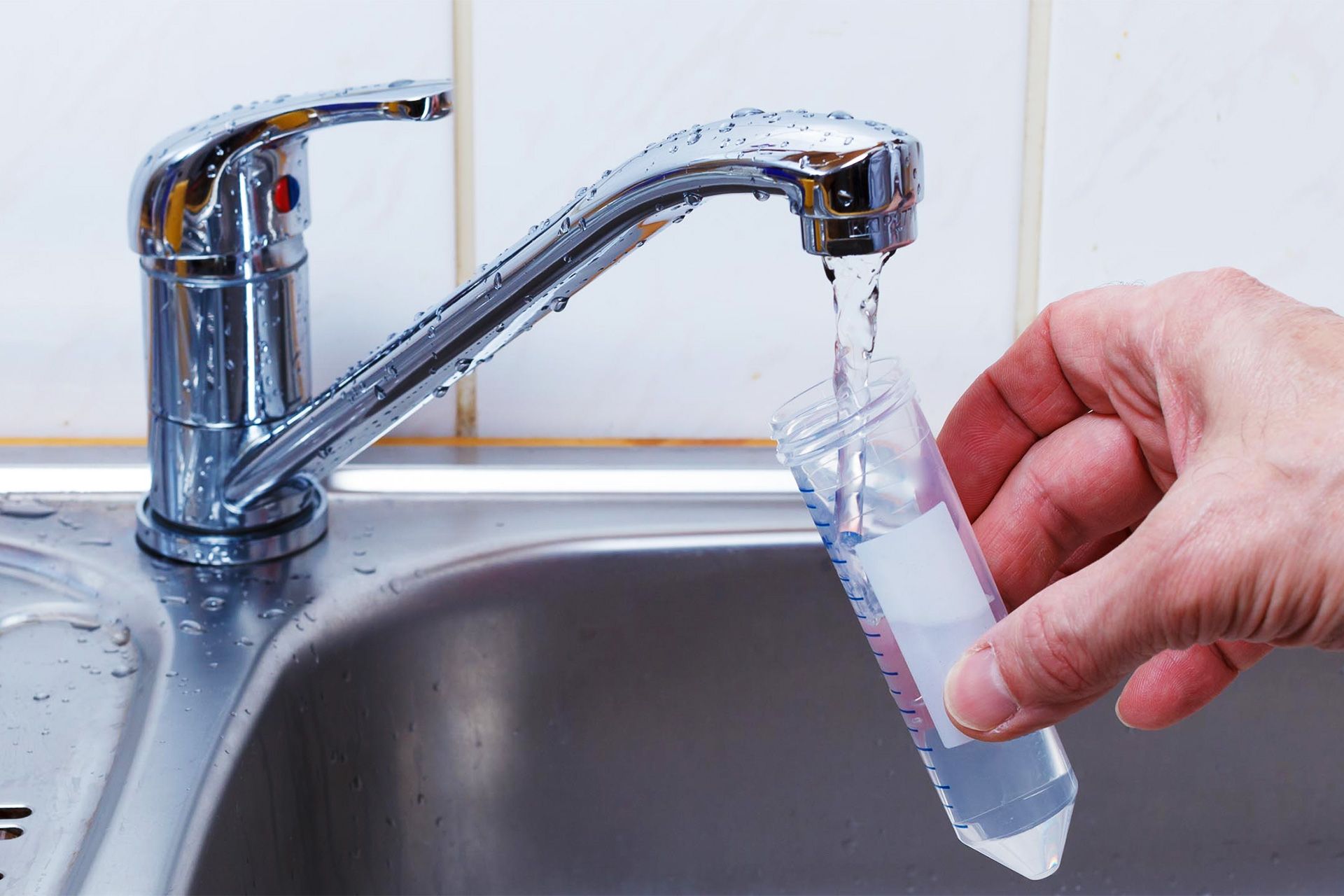
Next, the water sample is collected from the appropriate location, often from a clean interior tap or another approved source, as directed by the lab. The sample container must be handled carefully to avoid contamination.
After collection, the sample is sent to the lab for analysis. The lab tests the water and prepares the report. Once results are available, the report can be shared with the buyer, seller, agent, or lender as needed.
If the test shows a concern, the next step may involve treatment, repair, disinfection, or retesting. Marble Inspections does not make promises about resu
FHA Water Test for Buyers
For buyers, the test is more than a loan requirement. It is also a practical part of due diligence. A home can have a beautiful kitchen, strong curb appeal, and updated finishes, but the water supply still deserves attention.
If you are buying a home with a private well, ask your lender early whether water testing is required. Waiting until the end of the inspection period can create stress if results take time or if a retest is needed.
A clear test report can help you move forward with better information. If results show a concern, you can discuss options with your agent, lender, and qualified water treatment professional.
FHA Water Test for Sellers
Sellers can also benefit from water testing. If you know the home uses a private well, ask whether buyers using FHA financing may need a test. Preparing early can help reduce surprises during the contract period.
A recent water test may help answer buyer questions and support a smoother transaction. If the results show a problem, the seller has more time to explore repairs or treatment before closing pressure builds.
Why Choose Marble Inspections?
Marble Inspections brings a professional and personal approach to every service we provide. We understand that real estate transactions can feel stressful, especially when a lender requests additional documentation. Our team helps make the FHA water test process clear, organized, and easier to manage.
Clients choose Marble Inspections because we provide:
- Friendly communication from start to finish
- Proper sample handling
- Clear reports from lab testing
- Helpful explanations of the process
- Support for buyers, sellers, and agents
Our goal is to help you get the information you need without adding confusion to the process.
Frequently Asked Questions
Is an FHA water test always required?
No. It depends on the property, water source, lender, and loan requirements. If the home uses private well water, ask the lender whether testing is required.
What does an FHA water test check for?
The test may check for bacteria, nitrates, nitrites, lead, or other items requested by the lender. The exact panel should be confirmed before sampling.
How long does it take to get results?
Timing depends on the lab and the type of test ordered. Some results may take longer than others, especially if multiple contaminants are being tested.
What happens if the water test fails?
The next step may include treatment, disinfection, repair, or retesting. Your lender, agent, and a qualified water professional can help guide the response.
Can Marble Inspections send the report to my lender?
Yes, the report can be shared with the appropriate parties upon request. It is best to confirm the lender’s required format before testing.
Schedule an FHA Water Test
If you are buying, selling, or refinancing a home with a private well, the water test may be an important step. Marble Inspections can help you complete the testing process and provide the documentation needed for your next step.
Contact Marble Inspections today to schedule your FHA water test in Nashville or the surrounding Middle Tennessee area.