Radon Testing
Radon is a naturally occurring radioactive gas that can be present in homes without any visible signs. Because it is colorless, odorless, and tasteless, many homeowners are unaware that radon could be present in their property. The only reliable way to determine whether radon levels are elevated is through professional testing.
At Marble Inspections, our Radon Testing service is designed to provide homeowners and homebuyers with accurate information about radon levels in a property. By conducting professional testing using reliable equipment and proper procedures, we help clients identify potential risks and take the necessary steps to protect their home and health.
Whether you are purchasing a home, preparing to sell, or simply want peace of mind, radon testing is an important step in ensuring a safe indoor environment.
What Is Radon?
Radon is a naturally occurring gas produced by the breakdown of uranium in soil, rock, and groundwater. As it forms underground, radon can move through the soil and enter homes through small openings in the foundation.
Common entry points for radon include:
- Cracks in foundations or concrete slabs
- Gaps around pipes and utility penetrations
- Sump pump openings
- Crawlspaces
- Construction joints in foundations
- Unsealed basement floors
Because radon gas rises from the soil beneath a home, it can accumulate inside enclosed spaces such as basements and lower levels.
Over time, exposure to high radon levels can pose health risks, which is why testing is recommended for many homes.
Why Radon Testing Is Important
Radon is one of the most common environmental concerns found in residential properties. Since it cannot be seen or smelled, homeowners often have no indication that it is present.
Testing provides important information that helps you determine whether radon levels fall within acceptable limits or whether mitigation may be recommended.
Radon testing is especially important when:
- Purchasing a home
- Selling a home
- Living in a property with a basement or crawlspace
- Renovating or finishing a basement
- Living in an area where radon is known to occur
Even homes located in the same neighborhood can have very different radon levels. Because of this, every home should be tested individually rather than relying on nearby test results.
When Should You Test for Radon?
There are several times when radon testing is particularly valuable.
During a Real Estate Transaction
Radon testing is often performed during the home inspection period when purchasing a property. The results can provide important information before finalizing the sale.
If elevated radon levels are found, the buyer and seller can discuss mitigation options before closing.
After Moving Into a Home
Even if radon testing was not conducted during the purchase process, homeowners can still schedule testing to ensure their indoor environment is safe.
After Major Renovations
Changes to a home’s structure, foundation, or ventilation systems may affect radon levels. Testing after major renovations can confirm whether levels remain within safe limits.
Periodic Testing
Radon levels can change over time due to environmental conditions, structural changes, or soil movement. Periodic testing provides ongoing reassurance that your home remains safe.
How Radon Testing Works
Professional radon testing uses specialized equipment designed to measure radon levels inside the home over a specific period of time.
At Marble Inspections, the testing process typically includes:
1. Proper Placement of Testing Equipment
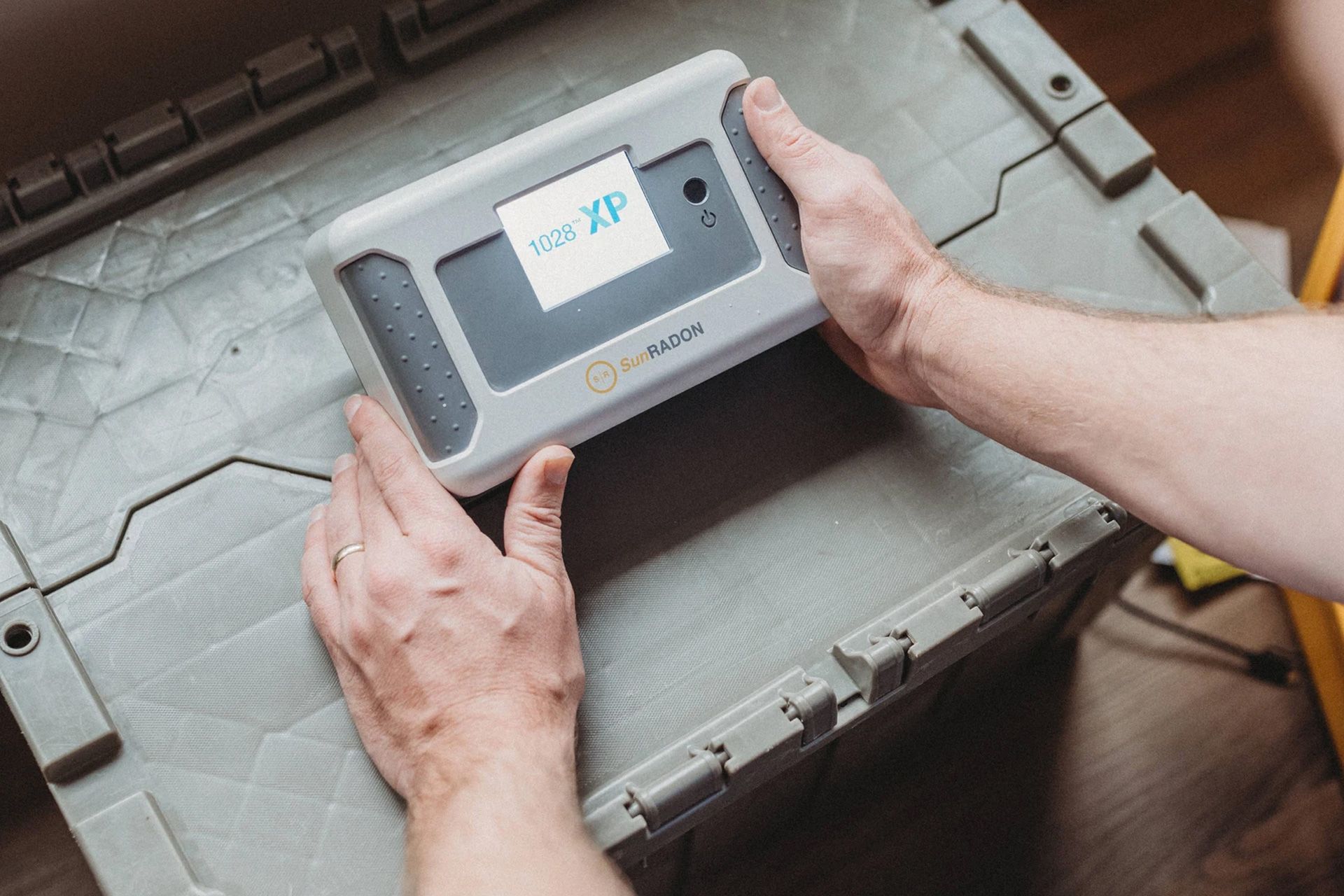
A radon monitor is placed in the lowest livable area of the home, which is often a basement or ground-level space. The device is positioned according to industry guidelines to ensure accurate readings.
2. Testing Period
Radon tests generally run for approximately 48 hours. During this time, the monitor continuously measures radon concentrations in the indoor air.
Homeowners are typically asked to maintain closed-house conditions, meaning windows and exterior doors remain closed except for normal entry and exit.
3. Data Collection and Analysis
After the testing period is complete, the monitor records the radon levels measured during the test. The data is analyzed to determine the average radon concentration within the home.
4. Detailed Report
Clients receive a report outlining the results of the test and explaining whether the levels fall within recommended limits.
Our team is also available to answer questions and explain the findings.
Understanding Radon Test Results
Radon levels are measured in picocuries per liter (pCi/L) of air.
The Environmental Protection Agency (EPA) recommends taking action if radon levels reach 4.0 pCi/L or higher. However, some homeowners choose to install mitigation systems even at lower levels for additional peace of mind.
Your radon test report will clearly indicate:
- The measured radon levels
- Whether the results fall within recommended guidelines
- Whether additional action may be recommended
If elevated levels are found, mitigation systems can be installed by radon mitigation specialists to reduce radon concentrations inside the home.
What Happens If Radon Levels Are High?
Finding elevated radon levels does not necessarily mean a home cannot be purchased or occupied. In most cases, radon issues can be effectively addressed through mitigation.
Radon mitigation systems typically work by:
- Venting radon gas from beneath the home
- Preventing it from entering indoor spaces
- Safely releasing it outside above the roofline
These systems are widely used and are designed to reduce radon levels significantly.
If high levels are detected during testing, Marble Inspections can help explain the results and discuss the next steps.
Radon Testing for Homebuyers
For homebuyers, radon testing is a valuable step in the inspection process. It provides additional insight into environmental conditions that may affect the property.
By testing during the inspection period, buyers gain important information before finalizing their purchase. If elevated levels are found, there may still be time to address the issue as part of the transaction.
Many buyers include radon testing alongside a full home inspection to ensure they have the most complete understanding of the property.
Radon Testing for Homeowners
Homeowners who have lived in their property for years may assume that radon is not an issue. However, radon levels can change over time.
Testing provides reassurance that your home remains safe for you and your family.
It is especially recommended for homes with:
- Basements
- Crawlspaces
- Slab foundations
- Recently completed renovations
- Previously untested indoor environments
Even if a previous test showed acceptable levels, periodic retesting can help confirm that conditions have not changed.
Why Choose Marble Inspections for Radon Testing
When it comes to radon testing, accuracy and proper procedures are essential. Marble Inspections provides reliable testing services that follow industry best practices to ensure dependable results.
Clients choose our radon testing services because we offer:
- Accurate testing equipment
- Proper monitor placement and procedures
- Clear and easy-to-understand reports
- Professional and responsive service
- Honest explanations of test results
Our goal is not just to perform the test but to help you understand the results so you can make informed decisions about your home.
Frequently Asked Questions
How long does a radon test take?
Most professional radon tests run for approximately 48 hours to provide accurate measurements of indoor radon levels.
Do I need to be home during the test?
No. The testing device works automatically once it is placed in the home. However, occupants should follow closed-house conditions during the testing period.
Can new homes have radon?
Yes. Radon can be present in both new and older homes because it originates from the soil beneath the property.
Is radon testing required when buying a home?
Radon testing is not always required, but it is strongly recommended because radon cannot be detected without specialized testing equipment.
What if my radon levels are high?
If elevated radon levels are detected, a radon mitigation system can usually be installed to reduce the levels and improve indoor air safety.
Schedule Your Radon Test
Radon testing is a simple but important step in protecting your home and the people who live in it. With professional testing from Marble Inspections, you can gain a clear understanding of your home’s indoor air quality and take action if needed.
Whether you are purchasing a home, preparing to sell, or simply want peace of mind, our team is here to help.
Contact Marble Inspections today to schedule your Radon Test and ensure your home environment remains safe and healthy.