Mold Screening
Mold is one of the most common hidden issues found in homes, and it can develop quickly when moisture is present. While small amounts of mold may go unnoticed, larger or hidden mold growth can affect both the structure of a home and the health of its occupants. That’s why Mold Screening is an important service for homeowners, buyers, and sellers who want to understand the condition of their indoor environment.
At Marble Inspections, our Mold Screening service is designed to identify conditions that may allow mold to grow and detect potential mold presence in areas that are not always visible. Whether you are purchasing a home, dealing with a recent water issue, or simply want peace of mind, mold screening can provide valuable insight into the health of your property.
Our approach focuses on identifying possible mold issues early so that homeowners can address them before they turn into larger and more expensive problems.
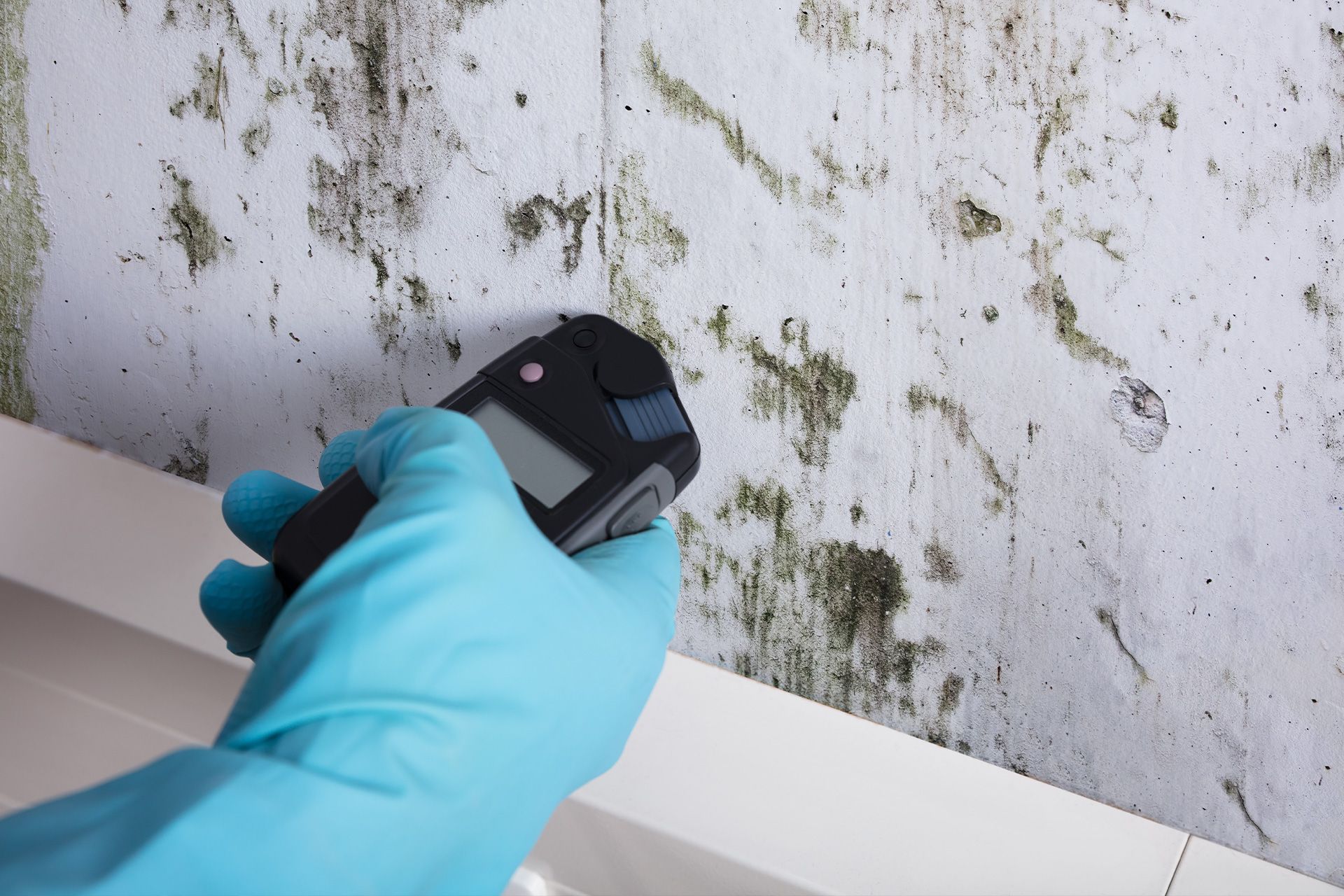
What Is Mold Screening?
Mold screening is a process used to evaluate a property for potential mold growth or conditions that may lead to mold development. Unlike a standard home inspection, mold screening focuses specifically on moisture-prone areas and indoor air quality concerns.
Because mold can grow in hidden spaces such as behind walls, under flooring, or inside HVAC systems, it is not always visible during a typical visual inspection. Mold screening uses specialized methods to detect mold presence and assess whether additional remediation may be necessary.
The goal is not only to find existing mold but also to identify conditions that may allow mold to grow in the future, such as moisture intrusion, leaks, or ventilation problems.
Why Mold Screening Is Important
Mold growth can create several problems inside a home. It can damage building materials, create unpleasant odors, and in some cases contribute to health concerns for people who are sensitive to mold spores.
Common reasons homeowners choose mold screening include:
- Buying a home and wanting to check for hidden mold
- Investigating musty odors or indoor air concerns
- Evaluating a home after a water leak or flooding
- Identifying potential mold growth in basements or crawl spaces
- Ensuring healthy indoor air quality for occupants
Because mold thrives in damp environments, homes with plumbing leaks, roof leaks, humidity issues, or poor ventilation may be more susceptible to mold growth.
Early detection through mold screening helps homeowners address the issue quickly and avoid more extensive damage later.
Signs That Mold May Be Present
In many cases, mold can grow without obvious visual signs. However, there are several warning indicators that may suggest mold growth inside the home.
These signs include:
- Persistent musty or earthy odors
- Visible discoloration on walls, ceilings, or surfaces
- Past water damage or flooding
- High humidity levels in the home
- Peeling paint or warped building materials
- Condensation around windows or pipes
If you notice any of these signs, a professional mold screening can help determine whether mold is present and whether additional steps should be taken.
What Our Mold Screening Includes
At Marble Inspections, our mold screening service includes a careful evaluation of the home to identify moisture conditions and possible mold growth.
During the screening process, we focus on areas where mold is most likely to develop, including:
- Bathrooms and laundry rooms
- Kitchens and plumbing areas
- Basements and crawl spaces
- Attics and roof structures
- HVAC systems and ductwork
- Areas affected by past water damage
Our inspector looks for visual indicators of mold growth as well as conditions that may contribute to mold development, such as leaks, moisture buildup, or inadequate ventilation.
When necessary, air or surface samples may be collected to help determine whether mold spores are present in the indoor environment. These samples can be analyzed to provide more detailed information about the indoor air quality.
Common Areas Where Mold Develops
Mold can grow anywhere moisture is present, but certain areas of a home are more prone to mold development than others.
Basements and Crawl Spaces
Basements and crawl spaces often have higher humidity levels and limited ventilation, making them ideal environments for mold growth. Water intrusion or condensation can also create the conditions mold needs to thrive.
Attics
Poor attic ventilation, roof leaks, or improper insulation can trap moisture in the attic, leading to mold growth on wood framing or roof sheathing.
Bathrooms
Bathrooms frequently contain high levels of humidity due to showers and baths. Without proper ventilation, mold can develop on ceilings, grout, and other surfaces.
Kitchens and Plumbing Areas
Leaks under sinks or behind appliances can create hidden moisture problems that allow mold to grow behind cabinets or walls.
HVAC Systems
Heating and cooling systems can sometimes circulate mold spores if mold develops within the ductwork or air handler components.
By identifying these high-risk areas, mold screening helps homeowners better understand the condition of their property.
Mold and Indoor Air Quality
Indoor air quality plays a major role in the comfort and health of a home. Mold spores can travel through the air and spread to different parts of the house, especially when moisture issues are not addressed.
For some individuals, mold exposure may cause symptoms such as:
- Allergies or respiratory irritation
- Headaches or fatigue
- Nasal congestion or coughing
- Eye irritation
While not everyone reacts to mold exposure in the same way, maintaining good indoor air quality is an important part of keeping a home healthy and comfortable.
Mold screening helps determine whether mold spores may be present in the indoor environment so homeowners can take appropriate steps if necessary.
What Happens If Mold Is Found?
If mold is suspected or confirmed during the screening process, the next step may involve mold remediation. Mold remediation is the process of removing mold and correcting the underlying moisture problem that allowed it to grow.
It is important to understand that the most effective mold treatment addresses both:
- The mold itself
- The moisture source causing the problem
Without addressing the moisture issue, mold is likely to return even after cleanup.
Our inspection report will provide clear information about the areas of concern so homeowners can work with qualified remediation professionals if needed.
When Should You Schedule Mold Screening?
Mold screening can be beneficial in several situations, including:
When Buying a Home
If you are purchasing a property, mold screening can help ensure there are no hidden moisture issues that could lead to costly repairs or indoor air quality problems.
After Water Damage
Homes that have experienced leaks, flooding, or plumbing failures may be at higher risk for mold growth. Screening helps determine whether mold developed after the water event.
If You Notice Odors
A persistent musty smell is often one of the first signs of hidden mold growth.
During Routine Home Maintenance
Some homeowners choose mold screening as part of periodic home maintenance to ensure their property remains safe and healthy.
Why Choose Marble Inspections for Mold Screening
At Marble Inspections, we understand that your home should be a safe and comfortable environment. Our mold screening services are performed with the same attention to detail and dedication that we bring to every inspection.
Clients trust Marble Inspections because we provide:
- Thorough evaluations of moisture-prone areas
- Professional and objective assessments
- Clear and easy-to-understand inspection reports
- Honest recommendations and guidance
- Friendly and responsive customer service
Our goal is not just to inspect homes, but to help homeowners and buyers make informed decisions with confidence.
Frequently Asked Questions
Is mold always visible?
No. Mold often grows in hidden areas such as behind walls, under flooring, or inside HVAC systems. That’s why mold screening can be helpful even when no visible mold is present.
Does a home inspection include mold testing?
A standard home inspection may identify visible mold or moisture conditions, but mold screening is a specialized service that focuses specifically on detecting mold and evaluating indoor air quality.
What causes mold to grow in homes?
Mold grows when moisture and organic materials are present. Common causes include roof leaks, plumbing leaks, high humidity, condensation, and poor ventilation.
Can mold be removed permanently?
Mold can be removed, but preventing it from returning requires addressing the moisture source that caused the growth in the first place.
Should I get mold screening before buying a home?
Many homebuyers choose mold screening as an additional service to ensure there are no hidden mold issues before finalizing the purchase.
Schedule Your Mold Screening
If you are concerned about possible mold growth or simply want to ensure your home’s indoor environment is healthy, Marble Inspections is here to help. Our mold screening services provide the information you need to address moisture issues early and protect your home.
Contact Marble Inspections today to schedule your Mold Screening and gain peace of mind about the condition of your home.