Home Inspection Checklist for First-Time Buyers
Buying your first home is exciting, but it can also feel overwhelming. There are so many things to consider, from financing and location to neighborhood amenities, that it’s easy to overlook the condition of the home itself. That’s where a home inspection comes in. A thorough inspection ensures you understand the property you’re about to invest in and helps prevent costly surprises after closing.
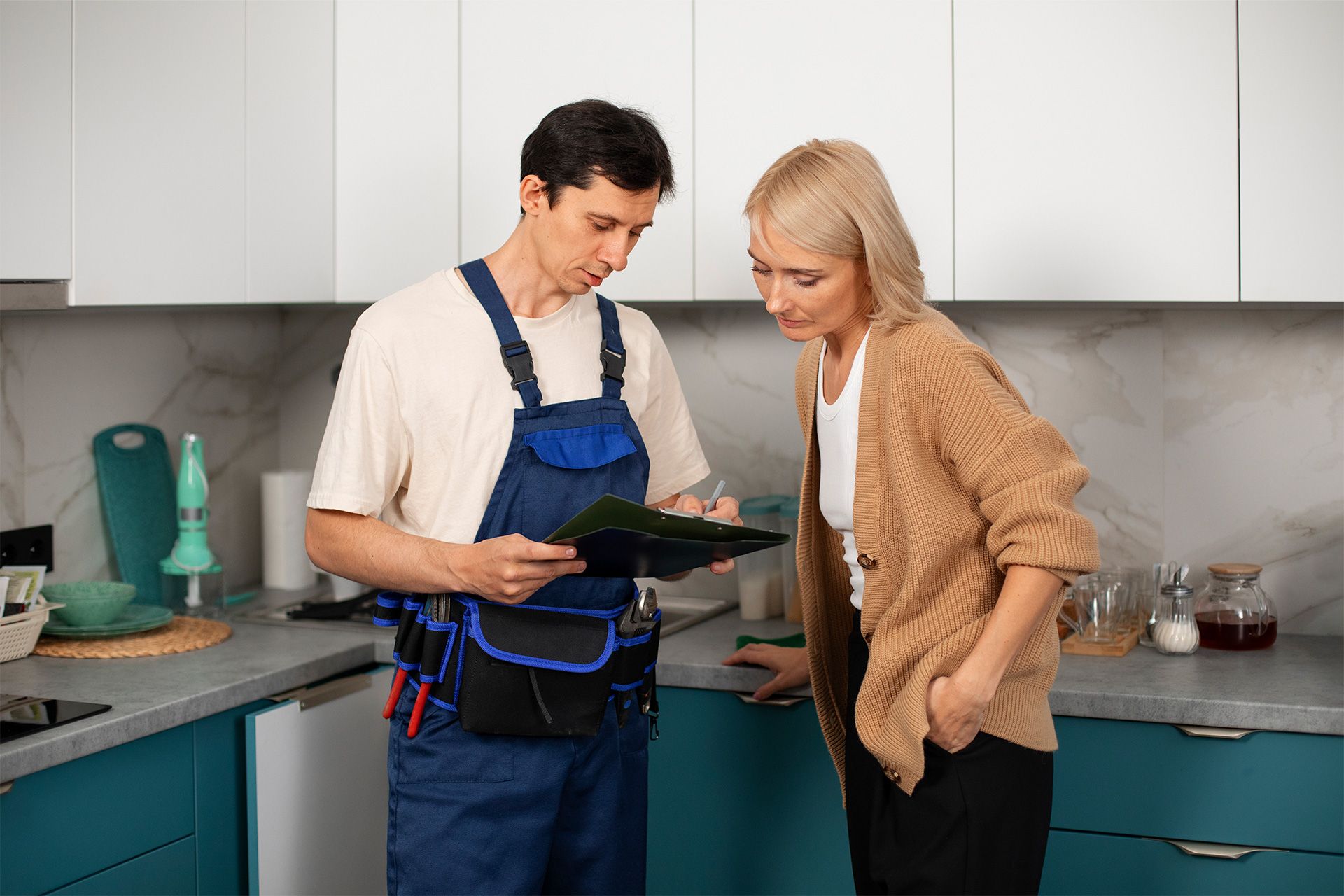
For first-time buyers, having a checklist to guide your home inspection can make the process easier, more efficient, and less stressful. Here’s a comprehensive home inspection checklist to help you navigate your first home purchase confidently.
1. Exterior Inspection
The exterior of a home provides the first impression, but it’s also critical for protecting the structural integrity of the property. Here are the key items to check:
- Roof:
Look for missing or damaged shingles, signs of leaks, and the age of the roof. A worn-out roof can be an expensive repair.
- Gutters and Downspouts:
Ensure they are secure, free of debris, and draining water away from the foundation.
- Siding and Paint:
Look for cracks, rot, or peeling paint. These can indicate water damage or maintenance issues.
- Foundation:
Check for visible cracks or signs of settling. Significant foundation problems may require costly repairs.
- Driveways and Walkways: Look for cracks or uneven surfaces that could be safety hazards.
- Windows and Doors:
Check for proper sealing, cracks, or broken panes that may affect energy efficiency.
2. Interior Inspection
Once you step inside, the interior inspection helps you understand the overall condition and livability of the home:
- Walls, Ceilings, and Floors:
Look for cracks, stains, or signs of water damage. Water stains could indicate roof leaks or plumbing issues.
- Doors and Windows: Make sure all open and close properly and check for drafts or water damage.
- Lighting and Electrical Outlets: Test switches and outlets to ensure they are functioning. Ask about the age of the electrical panel.
- Plumbing Fixtures:
Check sinks, toilets, tubs, and showers for leaks, water pressure, and proper drainage.
- Appliances:
Test all major appliances included in the sale to ensure they work correctly.
3. Attic and Insulation
Your attic is often overlooked, but it can reveal a lot about the home’s health:
- Insulation:
Check that insulation is adequate and evenly distributed. Poor insulation can increase energy bills.
- Ventilation:
Proper ventilation prevents moisture buildup and mold growth.
- Signs of Pests or Damage:
Look for evidence of rodents, insects, or water damage.
4. Basement or Crawlspace
The basement or crawlspace can reveal hidden issues with water, structure, or foundation:
- Moisture or Water Intrusion:
Check for dampness, mold, or standing water.
- Foundation and Structural Support: Look for cracks or uneven flooring that may indicate settling.
- Pipes and HVAC Equipment:
Inspect visible plumbing and heating/cooling systems for leaks or wear.
5. HVAC Systems
Heating, ventilation, and air conditioning systems are critical for comfort and safety:
- Heating System: Test the furnace or heat pump for functionality. Ask about maintenance history.
- Cooling System: Ensure the air conditioner is operating properly.
- Ductwork:
Check for signs of leaks or poor airflow.
6. Electrical System
The electrical system is both a safety and convenience concern:
- Electrical Panel:
Verify the panel is up-to-date and can handle modern electrical demands.
- Wiring: Look for outdated or damaged wiring, which can be a fire hazard.
- Smoke and Carbon Monoxide Detectors:
Ensure these devices are installed and functional.
7. Plumbing System
Plumbing issues are costly if left unchecked. Inspect the following:
- Pipes:
Look for leaks, corrosion, or low water pressure.
- Water Heater:
Check age, capacity, and condition.
- Sewer Lines:
Consider a sewer scope inspection to detect blockages or damage.
8. Safety Features
A safe home protects your investment and your family:
- Stairways and Railings: Ensure they are secure and meet code standards.
- Smoke and CO Detectors:
Verify proper installation and functionality.
- Fire Extinguishers:
Check availability and condition.
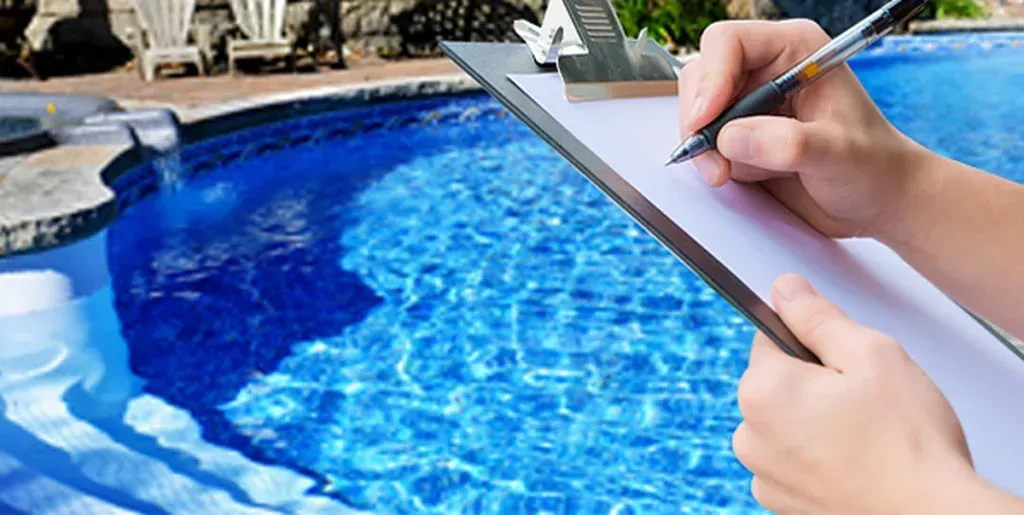
- Pool Safety:
If the home has a pool, check fencing, gates, and pool equipment for safety compliance.
9. Specialty Systems
Some homes have unique systems that require special attention:
- Radon Testing:
Radon is a naturally occurring radioactive gas that can be dangerous if accumulated in the home.
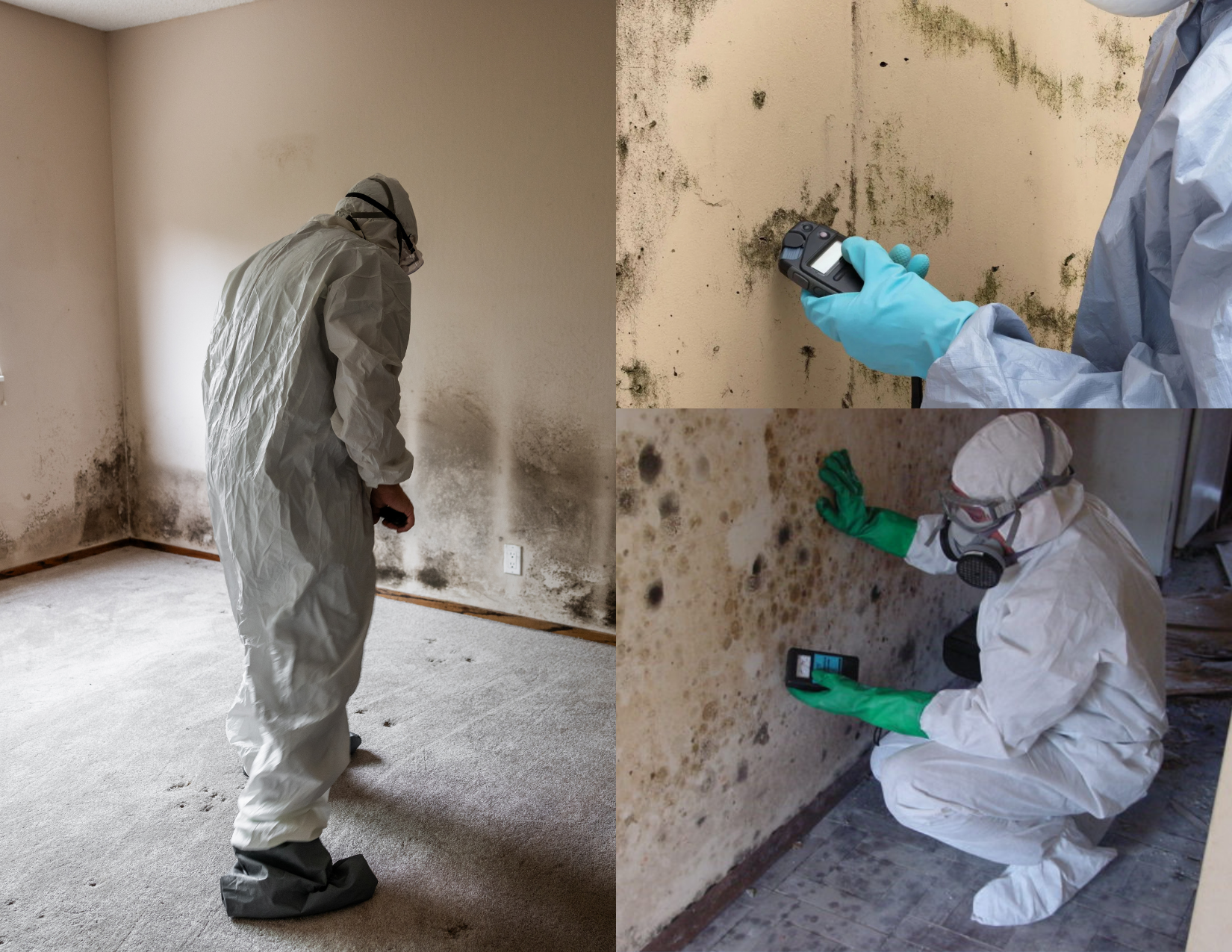
- Mold Screening:
Moist areas in basements or bathrooms can harbor mold, affecting both health and property value.
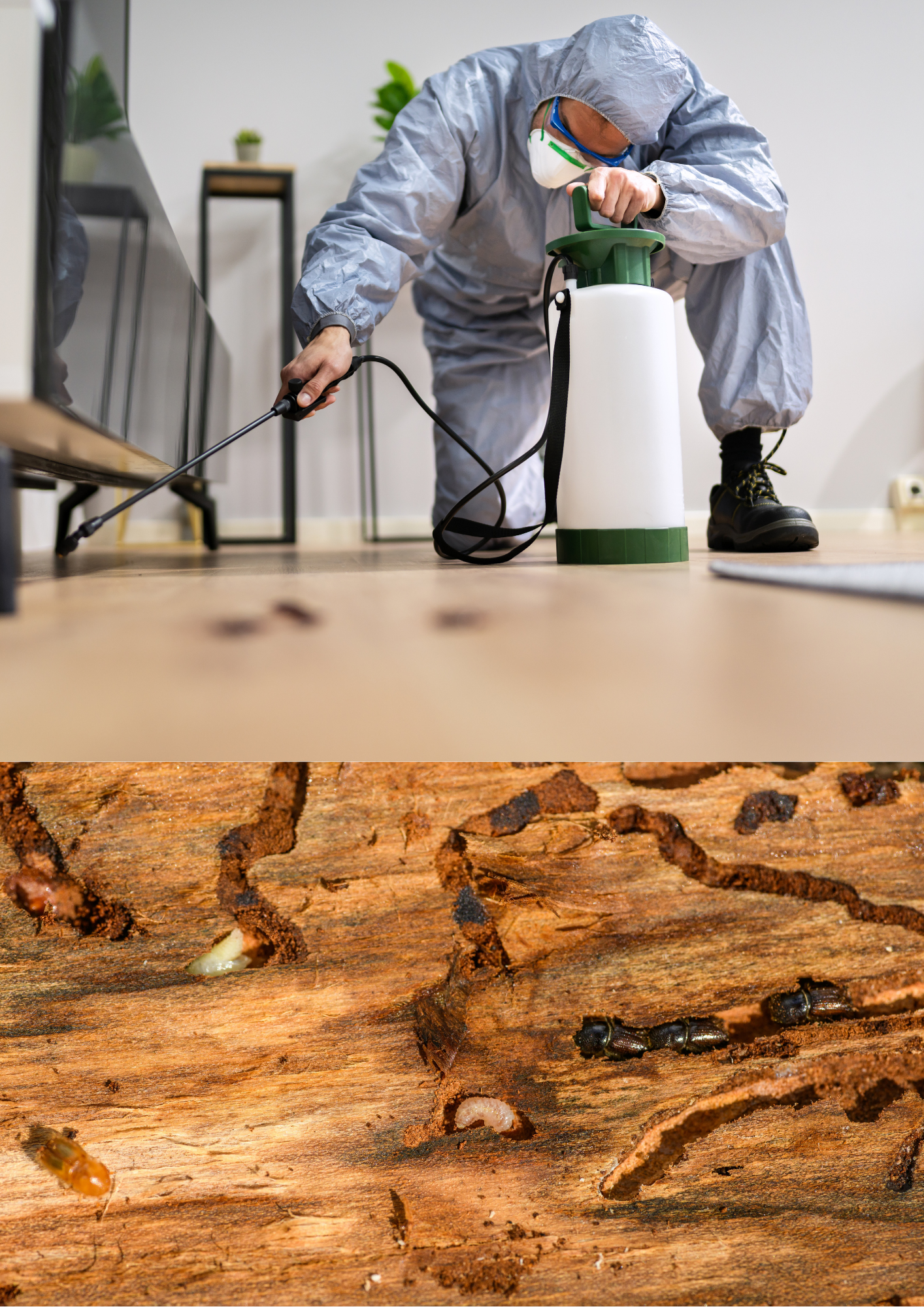
- Termite Inspection: Wood-destroying insects can cause significant damage if not detected early.
10. Documentation and Reporting
A home inspection is more than just a visual walkthrough. Your inspector should provide a detailed report with photos, explanations, and recommendations. This report helps you:
- Identify necessary repairs
- Negotiate with the seller
- Plan for future maintenance
Make sure to review the report carefully and ask questions. Understanding the findings is key to making informed decisions.
Tips for First-Time Buyers
- Attend the inspection:
Being present allows you to see issues firsthand and ask questions.
- Bring your checklist:
Use a checklist to track observations and notes during the inspection.
- Ask for estimates:
For any repairs found, request cost estimates to plan your budget.
- Prioritize issues:
Focus on safety, structural, and system-related problems before cosmetic ones.
Conclusion
A home inspection checklist empowers first-time buyers to approach the process with confidence. From evaluating the roof to testing plumbing and electrical systems, this step ensures you are fully informed before making one of life’s biggest investments. By addressing potential problems early, you can protect your investment, negotiate repairs, and enjoy peace of mind in your new home.
Schedule your home inspection with Marble Inspections today and buy your first home with confidence!
FAQs
How long does a home inspection take?
Most home inspections take 2–3 hours, depending on the size and age of the property.
Should I attend the home inspection?
Yes! Attending allows you to see issues firsthand, ask questions, and learn about your new home.
How much does a home inspection cost?
Costs vary based on property size, location, and additional services, but a typical inspection is a small investment compared to potential repair costs.
Are inspections mandatory for first-time buyers?
While not legally required, inspections are highly recommended to protect your investment and avoid costly surprises.
What happens after the inspection?
You will receive a detailed report with photos and notes, which can help with negotiations, repairs, and maintenance planning.
Disclaimer: The information on this website and blog is for general informational purposes only and is not professional advice. We make no guarantees of accuracy or completeness. We disclaim all liability for errors, omissions, or reliance on this content. Always consult a qualified professional for specific guidance.
Recent Posts