Common Issues Found During a Home Inspection
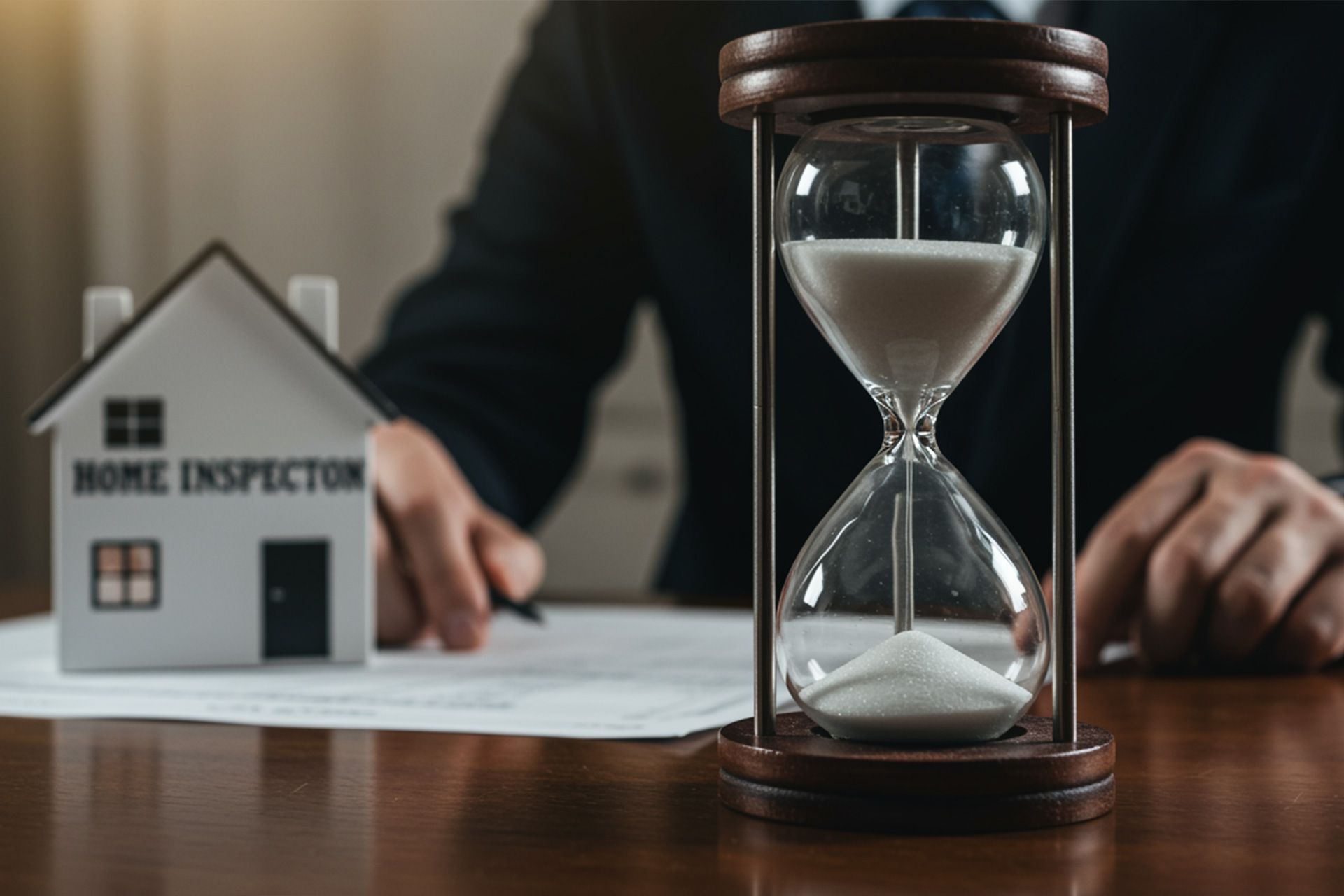
Buying a home is one of the most significant financial decisions most people will make in their lifetime. While the excitement of finding your dream home can be overwhelming, it’s essential to take a step back and ensure that the property is in good condition. This is where a professional home inspection becomes invaluable. Home inspectors provide an in-depth evaluation of a property, highlighting areas that may need repair, maintenance, or immediate attention. Knowing what to expect can help buyers make informed decisions and avoid costly surprises down the road.
In this blog, we’ll explore some of the most common issues found during a home inspection, why they matter, and how addressing them can protect your investment.
1. Roofing Problems
The roof is one of the most critical components of a home, protecting the structure and occupants from the elements. During a home inspection, the inspector will carefully examine the roof for:
- Missing or damaged shingles: These can lead to leaks and water damage if not repaired promptly.
- Signs of wear and age: Roofs have a finite lifespan, and older roofs may need replacement sooner than expected.
- Flashing issues: Flashing around chimneys, vents, and skylights can deteriorate and cause leaks.
- Sagging or uneven areas: This may indicate structural issues beneath the roof deck.
Roof problems are often expensive to repair or replace, making it crucial for buyers to understand the roof's condition before purchasing a home.
2. Plumbing Concerns
Plumbing issues are another common finding during home inspections. Inspectors typically check the water supply lines, drain pipes, fixtures, and water heater. Common issues include:
- Leaks in pipes or faucets: Even small leaks can lead to water damage, mold growth, and higher water bills.
- Corroded or outdated plumbing: Older homes may have galvanized pipes or outdated materials that are prone to failure.
- Water pressure problems: Low water pressure may indicate blockages or plumbing system inefficiencies.
- Drainage issues: Slow drains or backups can be a sign of pipe obstructions or improper slope.
Addressing plumbing issues early can save homeowners significant money and prevent damage to other areas of the home.
3. Electrical System Deficiencies
Electrical problems are not only inconvenient, they can also be dangerous. Home inspectors pay close attention to the electrical system, including panels, wiring, and outlets. Common issues found include:
- Outdated wiring: Homes with older knob-and-tube or aluminum wiring may not meet current safety standards.
- Overloaded circuits: Too many devices on a single circuit can create a fire hazard.
- Non-functional outlets or switches: Electrical components that don’t work properly need repair or replacement.
- Missing GFCI outlets: Ground Fault Circuit Interrupters are essential in kitchens, bathrooms, and outdoor areas for safety.
Ensuring that the electrical system is safe and up to code is vital for protecting your home and family.
4. HVAC System Issues
Heating, ventilation, and air conditioning (HVAC) systems are critical for comfort and energy efficiency. During an inspection, the inspector evaluates:
- Age and condition of the system: Older units may require replacement sooner than expected.
- Dirty or clogged filters: Neglecting filters can reduce efficiency and affect air quality.
- Inconsistent heating or cooling: Uneven temperatures may indicate ductwork problems or malfunctioning components.
- Leaks in ductwork or refrigerant lines: Leaks can reduce efficiency and increase energy costs.
HVAC issues can be costly to fix, and understanding the system’s condition helps buyers plan for maintenance or replacement.
5. Foundation and Structural Concerns
A home’s foundation is the backbone of its structure, and any problems can have serious implications. Inspectors evaluate the foundation, walls, and other structural components for:
- Cracks in the foundation or walls: Small cracks may be cosmetic, but larger cracks can indicate structural problems.
- Settling or uneven floors: Uneven floors can be a sign of foundation shifting.
- Water intrusion or drainage problems: Poor drainage around the foundation can lead to water damage and foundation deterioration.
- Sagging beams or joists: Structural components that are not level or show signs of stress may need repair.
Addressing foundation and structural issues early is essential to avoid major repairs and ensure the home is safe and stable.
6. Water Damage and Mold
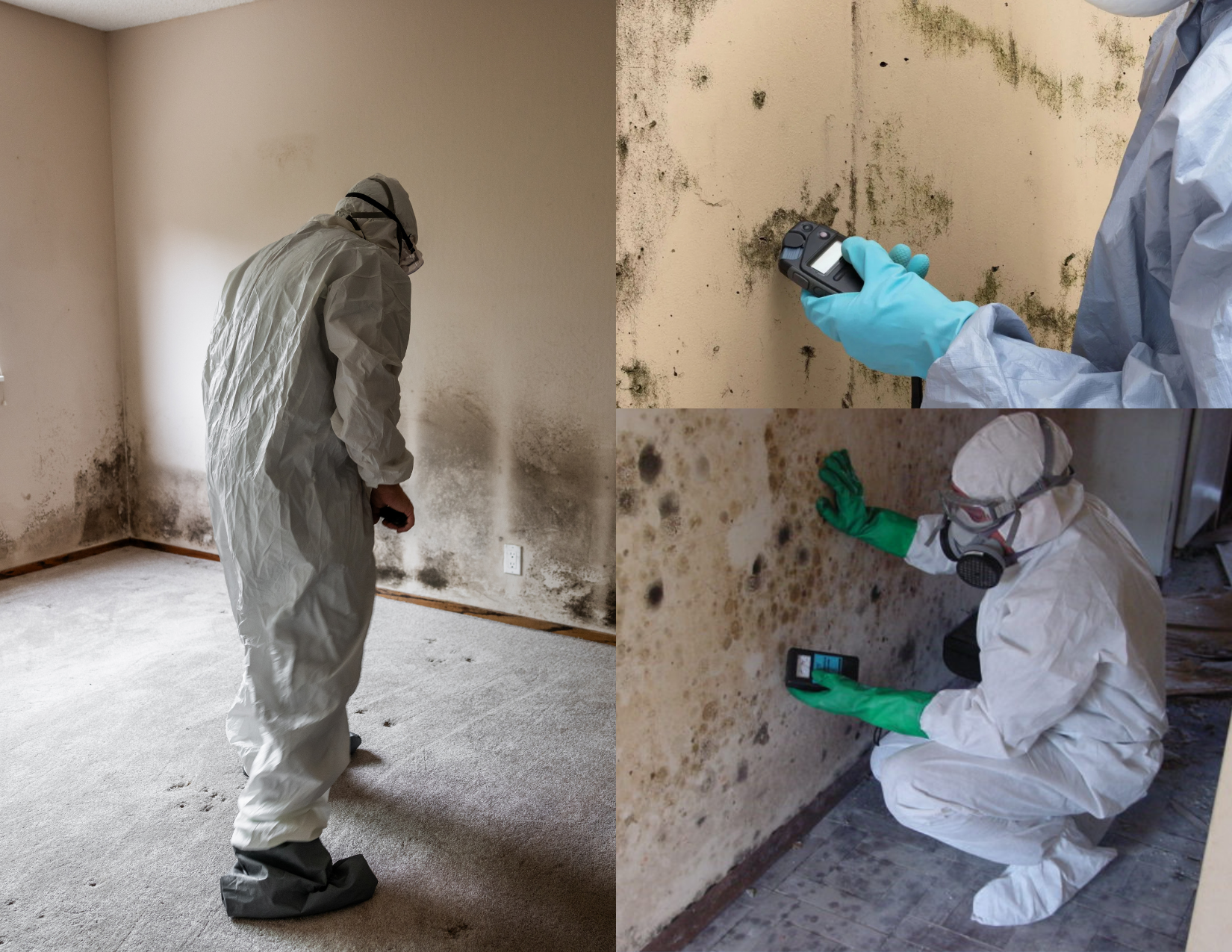
Water intrusion can cause significant damage and promote mold growth, which can affect both the home’s structure and the health of occupants. Inspectors look for:
- Signs of leaks in the roof, walls, or plumbing systems
- Staining or discoloration on ceilings and walls
- Musty odors that may indicate hidden mold
- Poor ventilation in areas like bathrooms, basements, and attics
Detecting water damage early allows homeowners to mitigate mold risks and repair the affected areas before they worsen.
7. Windows, Doors, and Insulation
Inspectors also assess energy efficiency and home comfort by examining:
- Windows and doors: Broken seals, cracked glass, or improper installation can lead to drafts and higher energy bills.
- Insulation: Insufficient insulation in the attic, walls, or crawl spaces can affect heating and cooling efficiency.
- Weather stripping and caulking: Missing or damaged seals allow air and moisture infiltration.
Addressing these issues improves energy efficiency, reduces utility costs, and enhances overall comfort.
8. Exterior and Landscaping Issues
The exterior of the home is just as important as the interior. Common concerns found during inspections include:
- Cracks in siding or brickwork
- Damaged or missing gutters and downspouts
- Poor grading that directs water toward the foundation
- Tree roots or vegetation too close to the house
Proper maintenance of the exterior prevents structural damage and protects the home from environmental hazards.
9. Attic and Crawlspace Problems
Areas like attics and crawlspaces often go unnoticed but can reveal serious issues:
- Poor ventilation or insulation in the attic
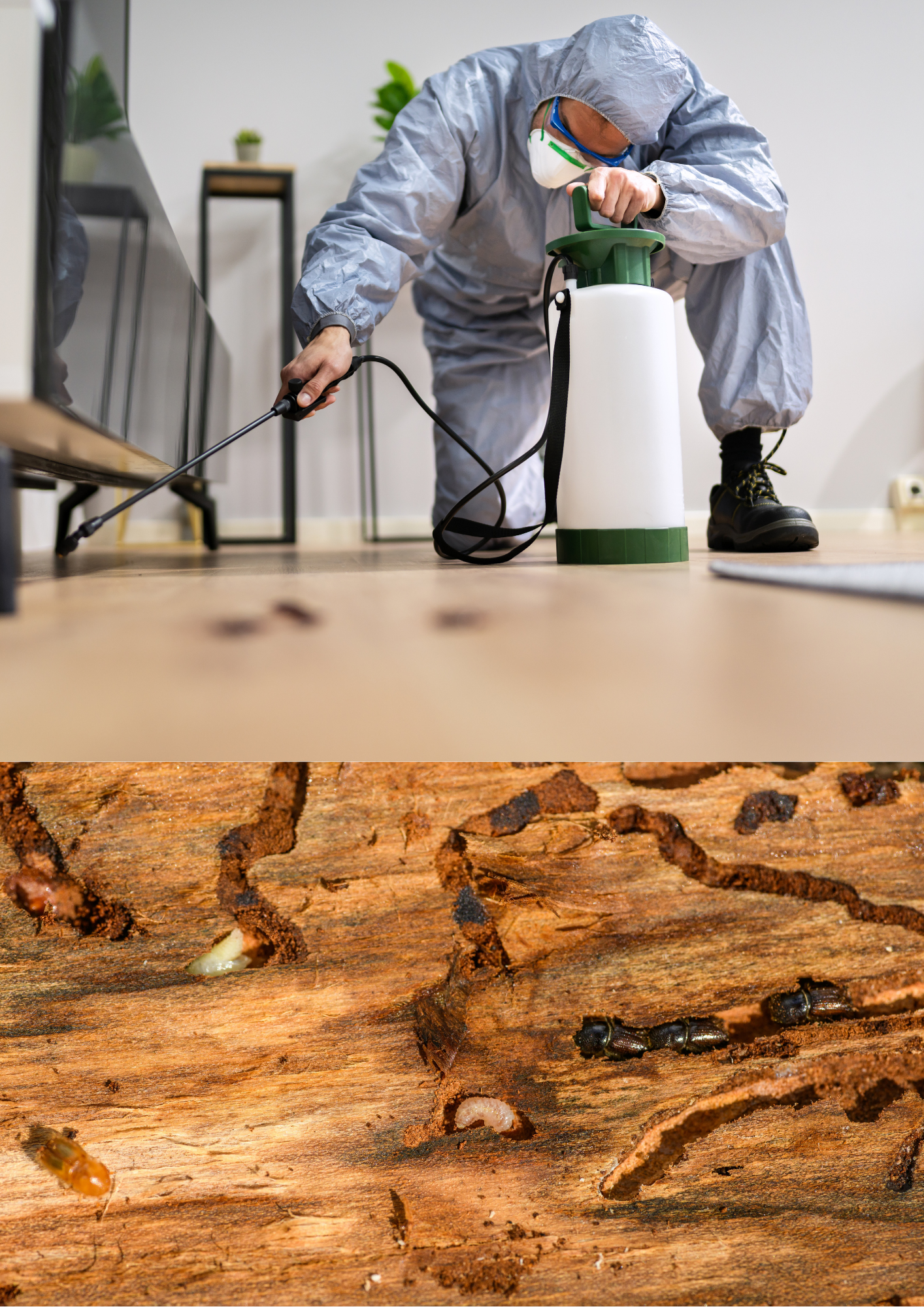
- Signs of pest infestation
- Standing water or moisture in crawlspaces
- Structural concerns such as sagging beams or joists
Inspecting these hidden spaces helps ensure there are no surprises lurking in hard-to-see areas.
10. Appliances and Systems
Finally, home inspectors examine appliances and other systems included in the sale, such as:
- Kitchen appliances like ovens, stoves, and dishwashers
- Laundry appliances and connections
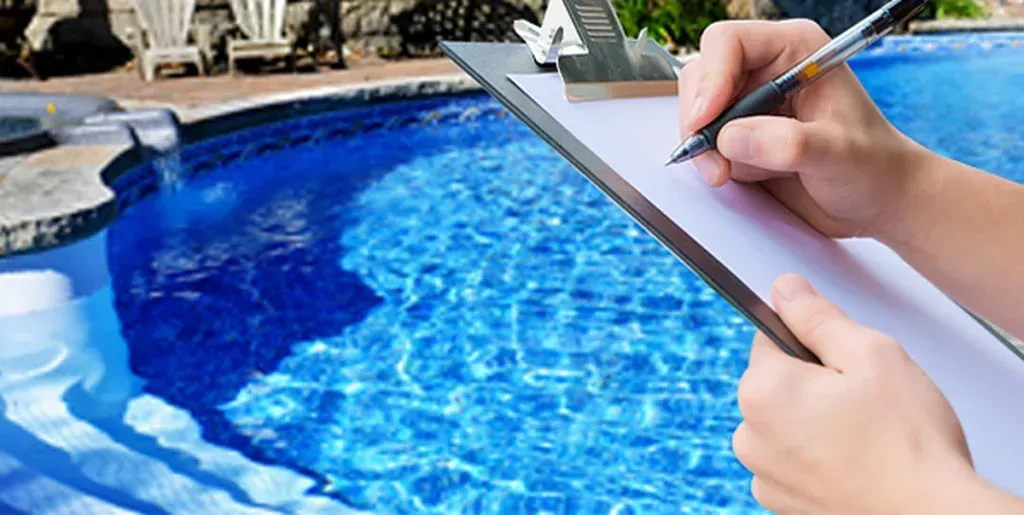
- Pool and spa equipment (if applicable)
- Garage doors and automatic openers
While not always structural issues, faulty appliances or equipment can create inconvenience and additional expenses if not addressed.
Why a Professional Home Inspection Matters
Home inspections are more than just a formality, they are a critical tool for protecting your investment. By identifying potential issues, buyers can:
- Negotiate repairs or price adjustments
- Plan for future maintenance
- Avoid purchasing a home with hidden defects
- Gain peace of mind about the property’s condition
Even if a home appears perfect at first glance, a professional inspection can reveal hidden problems that might otherwise go unnoticed until it’s too late.
A thorough home inspection helps you uncover potential issues before they become costly problems, giving you confidence in your home purchase.
Schedule your professional home inspection today with Marble Inspections and make your home buying decision with confidence.
Frequently Asked Questions
How long does a typical home inspection take?
Most inspections take 2 to 3 hours, depending on the size and age of the property. Larger or older homes may take longer.
Should I attend the inspection?
Yes. Being present allows you to see issues firsthand and ask questions about your potential home.
What is included in a standard home inspection?
A standard inspection covers the roof, exterior, foundation, plumbing, electrical systems, HVAC, interior, and major appliances. Additional services like radon testing, sewer scopes, or mold inspections may be added.
Can a home fail an inspection?
Homes don’t “pass” or “fail” inspections. The report identifies issues, allowing buyers and sellers to make informed decisions.
How soon should I schedule a home inspection?
Ideally, inspections should be scheduled soon after your offer is accepted to allow time for negotiation or repairs.
Disclaimer: The information on this website and blog is for general informational purposes only and is not professional advice. We make no guarantees of accuracy or completeness. We disclaim all liability for errors, omissions, or reliance on this content. Always consult a qualified professional for specific guidance.
Recent Posts